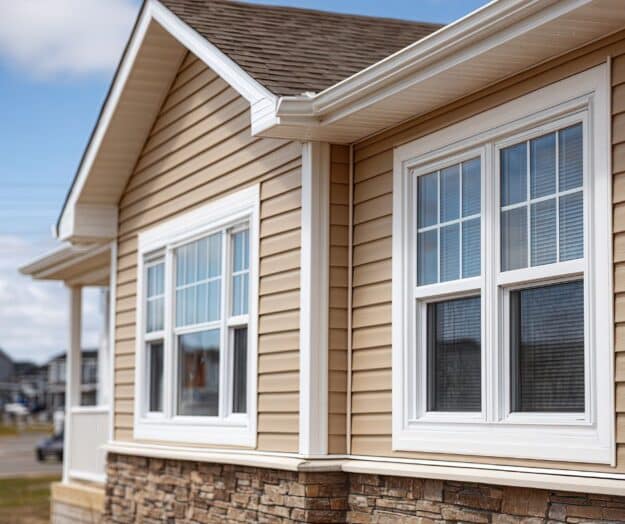
Replacing your windows is about more than choosing a new frame and a piece of glass. The style and configuration of your windows can affect your home’s appearance, natural light, ventilation, energy efficiency, and even how you use a particular room.
With so many replacement window options available, it can be difficult to know which style is right for your home. Some windows are designed primarily for ventilation, while others maximize views and natural light. Others can add architectural character or even create additional usable space inside your home.
Milanese Remodeling offers a wide variety of replacement window styles and configurations, from traditional double-hung windows to dramatic bay and bow windows and custom specialty shapes. Here’s what to know about each option.
1. Bay and Bow Windows
Bay and bow windows are ideal for homeowners who want to make a statement while bringing more light and dimension into a room. Both styles project outward from the exterior wall of the home, creating a more expansive view and a distinctive architectural feature.
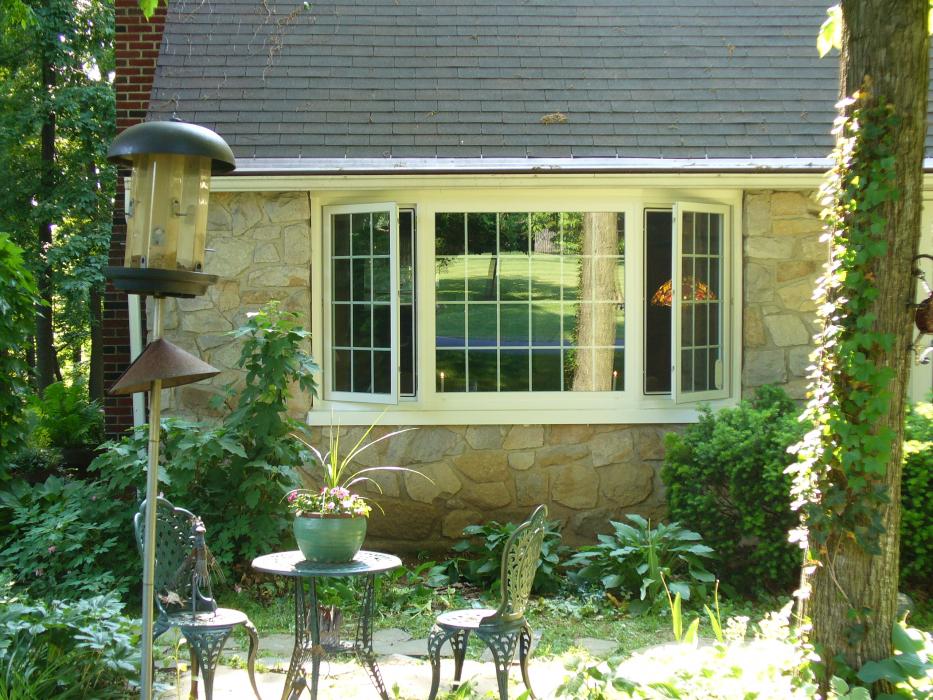
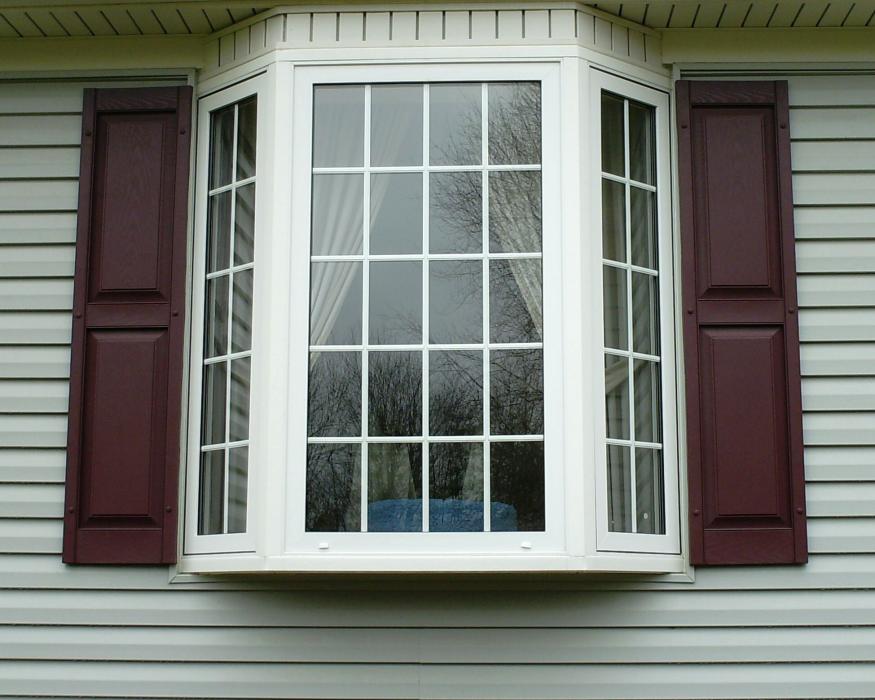
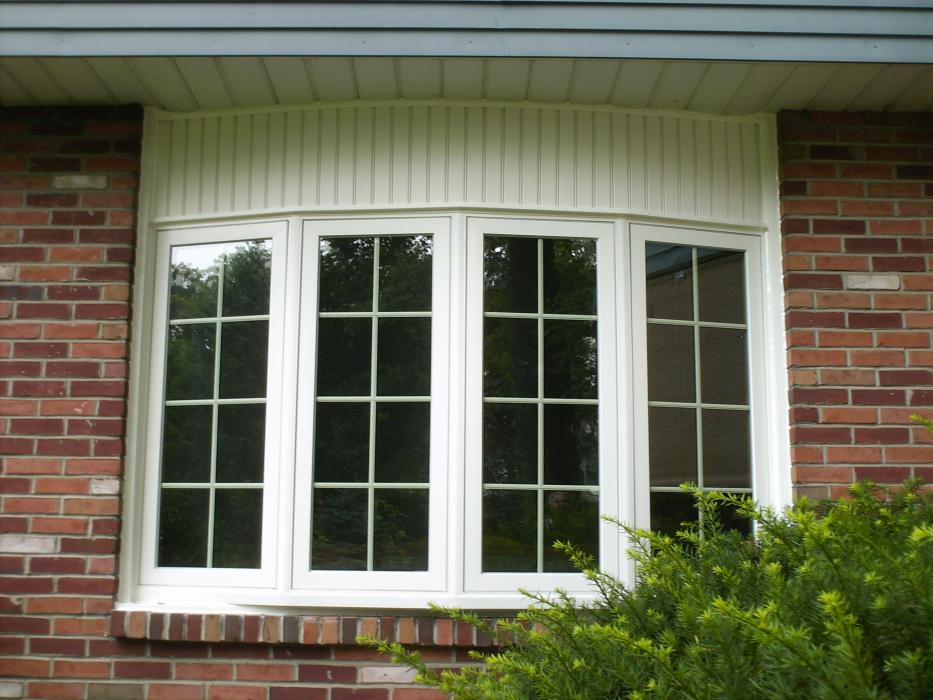
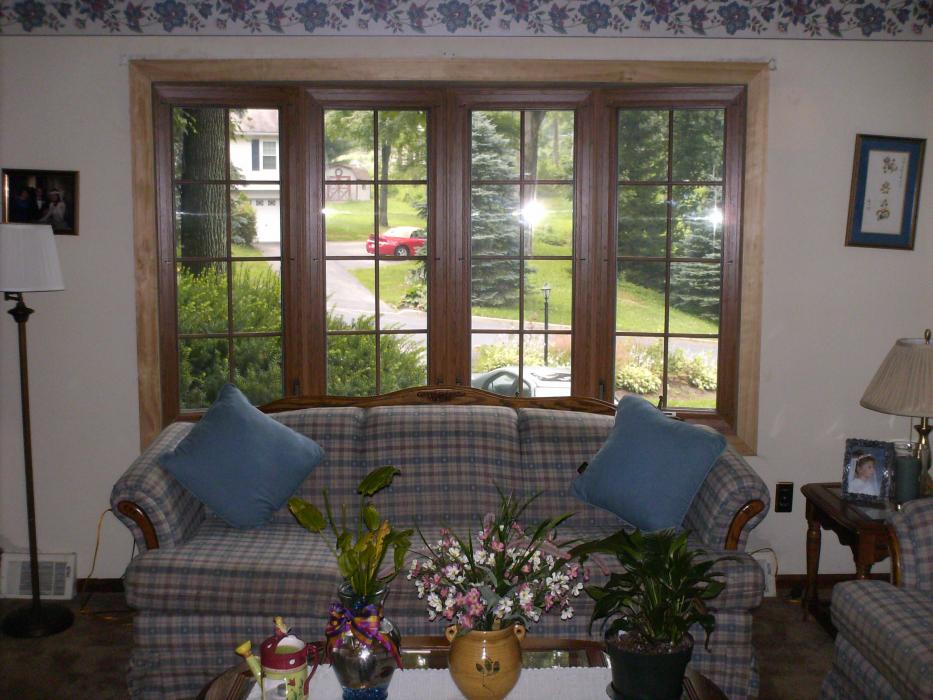
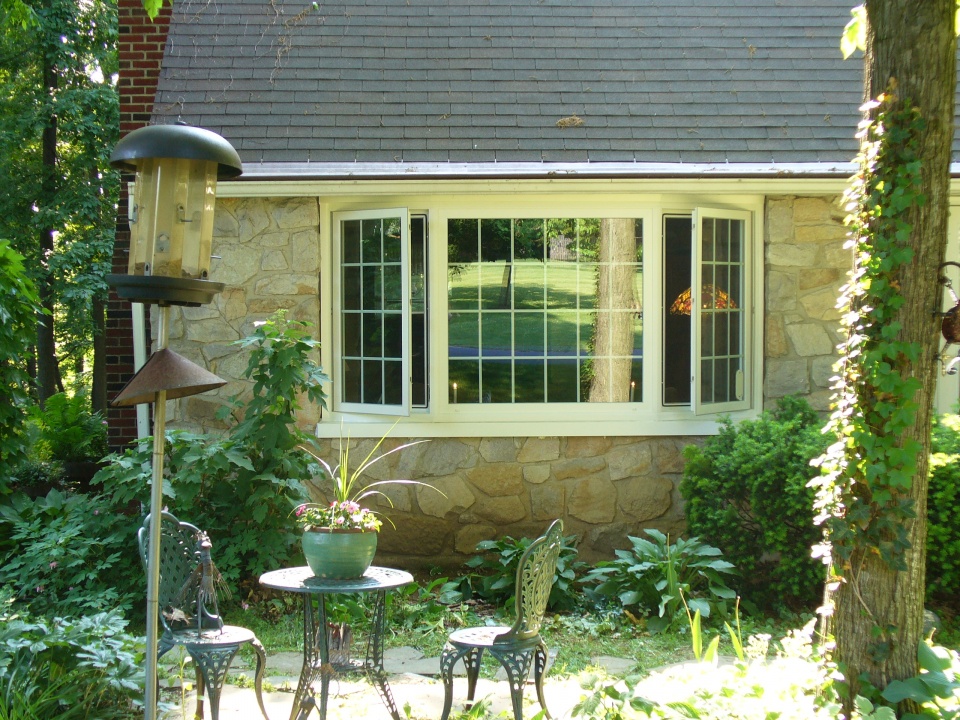
Bay Windows
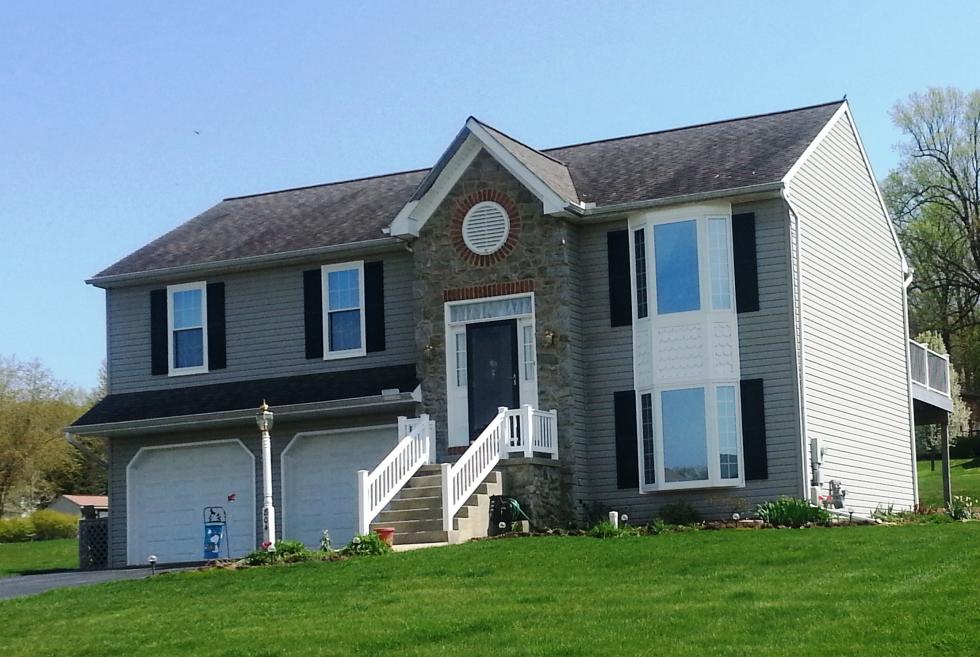
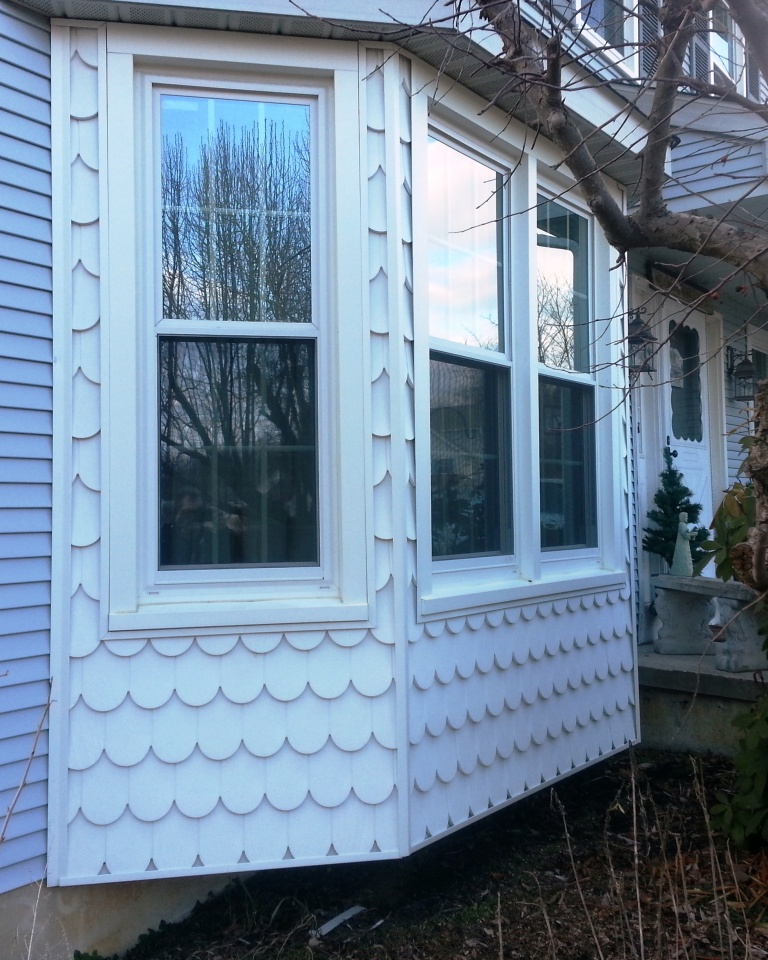
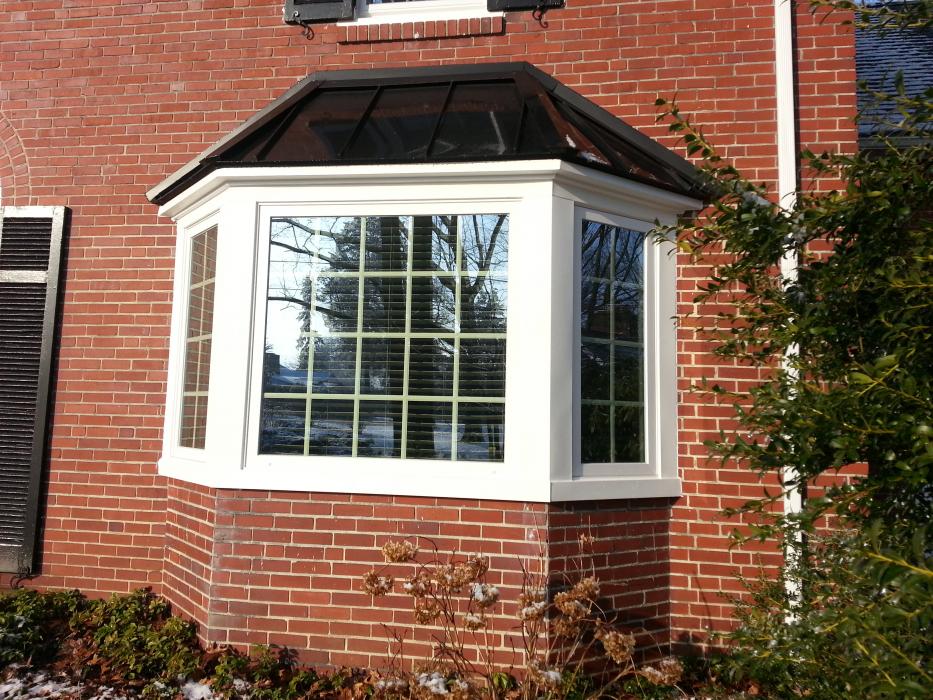
A bay window typically consists of three windows arranged at angles, with a larger center window flanked by two smaller windows. The side windows can often be configured as casement, double-hung, or other operable windows, while the center may be a fixed picture window.
Because the windows project outward, a bay window can create additional interior space that can be used for a window seat, reading nook, display area, or simply to make a room feel larger.
Bay windows can also be designed with different projection angles, allowing homeowners to select a configuration that complements their home’s architecture.
Bow Windows
Bow windows have a similar projecting design but use a series of windows arranged in a gradual curve. Unlike a typical three-section bay window, a bow window generally uses several windows of similar size to create a rounded appearance.
The result is a softer architectural look and a wider panoramic view. Depending on the configuration, bow windows can also incorporate operable windows to provide ventilation.
Best for: Homeowners looking to add architectural interest, natural light, and a larger-feeling interior space.
2. Casement Windows
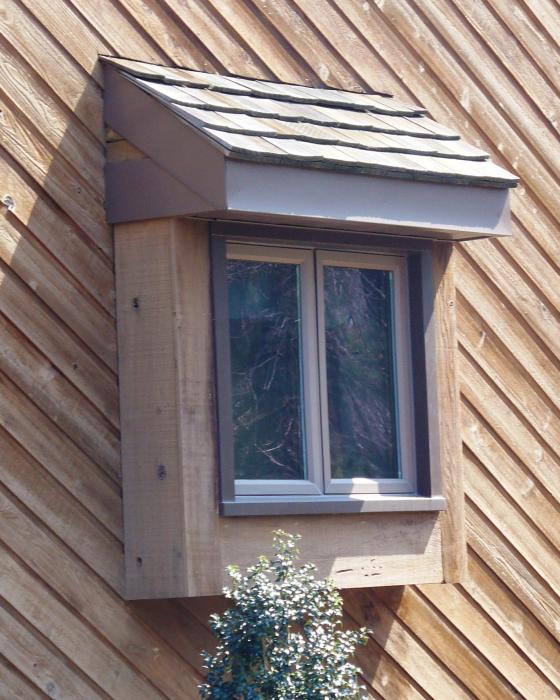
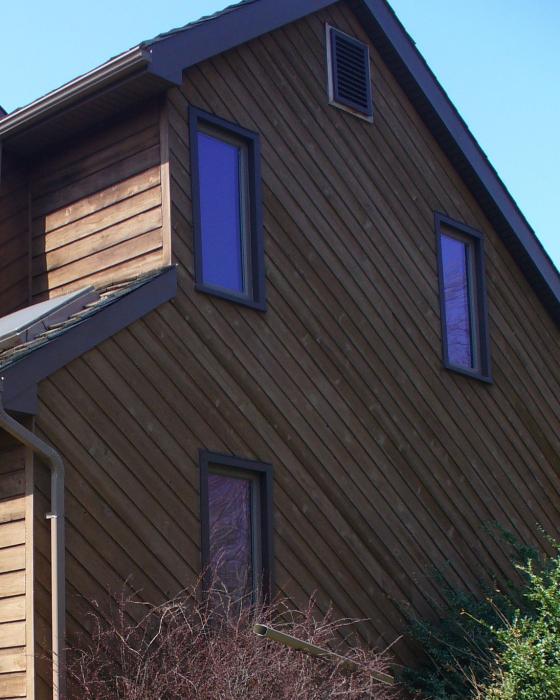
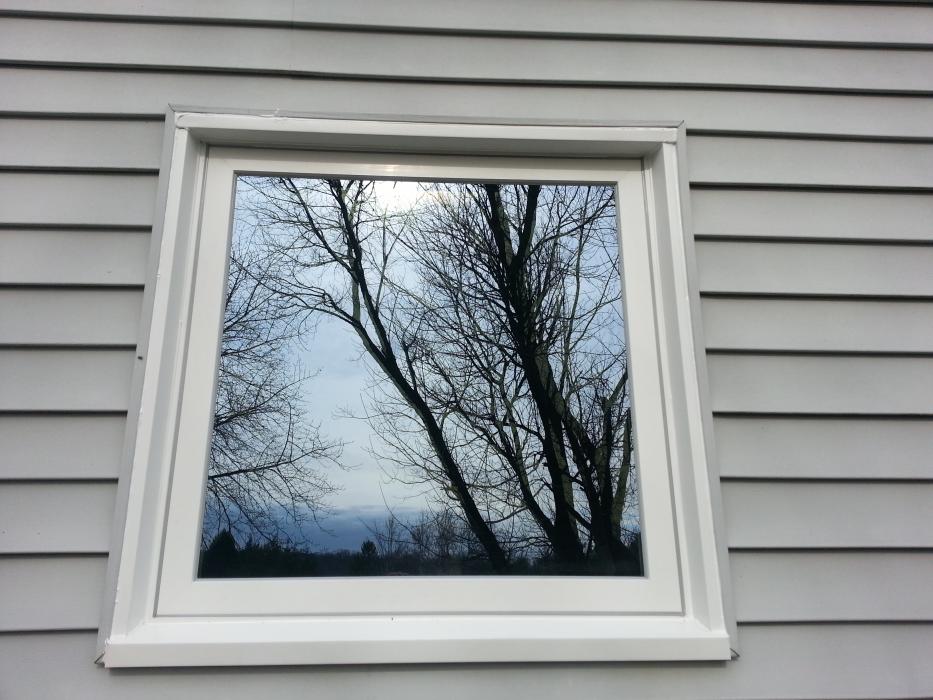
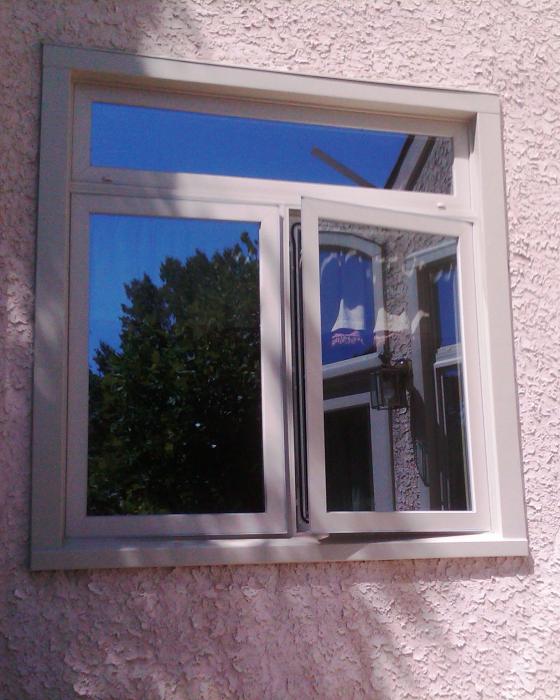
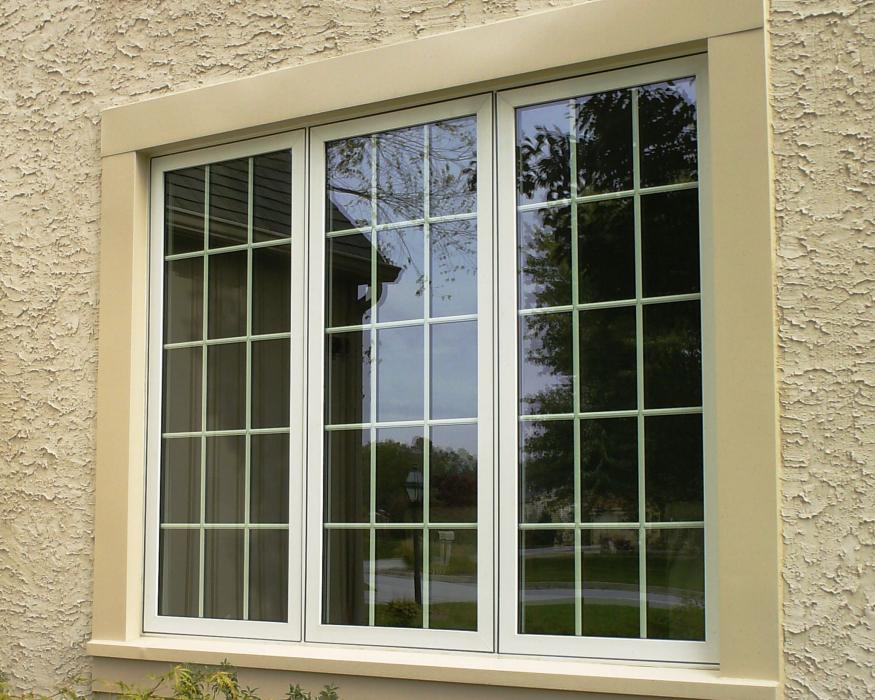
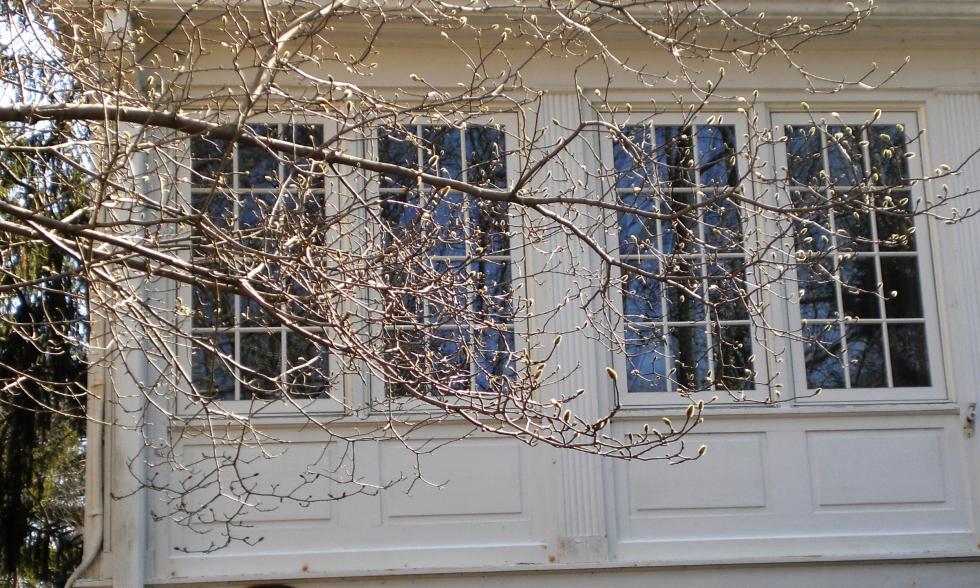
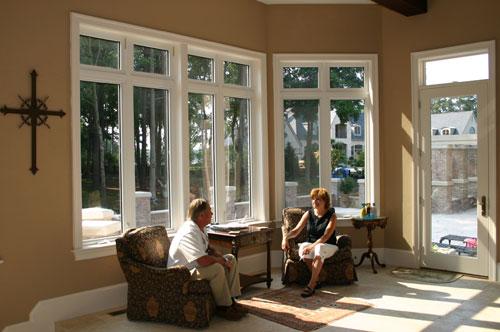
Casement windows are hinged on one side and open outward, typically using a crank or handle. Unlike double-hung windows, which move vertically, casement windows operate much like a door.
One of the biggest advantages of casement windows is ventilation. When fully opened, the sash can capture passing breezes and direct fresh air into the home.
Casement windows also offer a clean appearance because they don’t require a center rail dividing the glass. This can provide a larger, more unobstructed view of the outdoors.
They’re particularly useful in areas where homeowners want a combination of natural light, ventilation, and a contemporary or streamlined appearance.
Best for: Kitchens, bedrooms, living spaces, and other rooms where ventilation and expansive views are priorities.
3. Dormer Windows


Dormer windows are installed within a roof structure and extend outward from a sloped roof. They can be used to bring natural light and ventilation into upper-level rooms while also adding character to the home’s exterior.
A dormer can be an especially useful design feature when finishing or updating an upper floor or attic space. Depending on the design, the additional headroom and window area can make an otherwise dark or cramped space feel considerably more open.
Dormer windows can also contribute significantly to curb appeal. Their shape, size, and placement should complement the home’s existing architecture rather than look like an addition that was simply placed on the roof.
Best for: Attics, upper-level rooms, bedrooms, and homes where additional natural light or architectural character is desired.
4. Double-Hung Windows
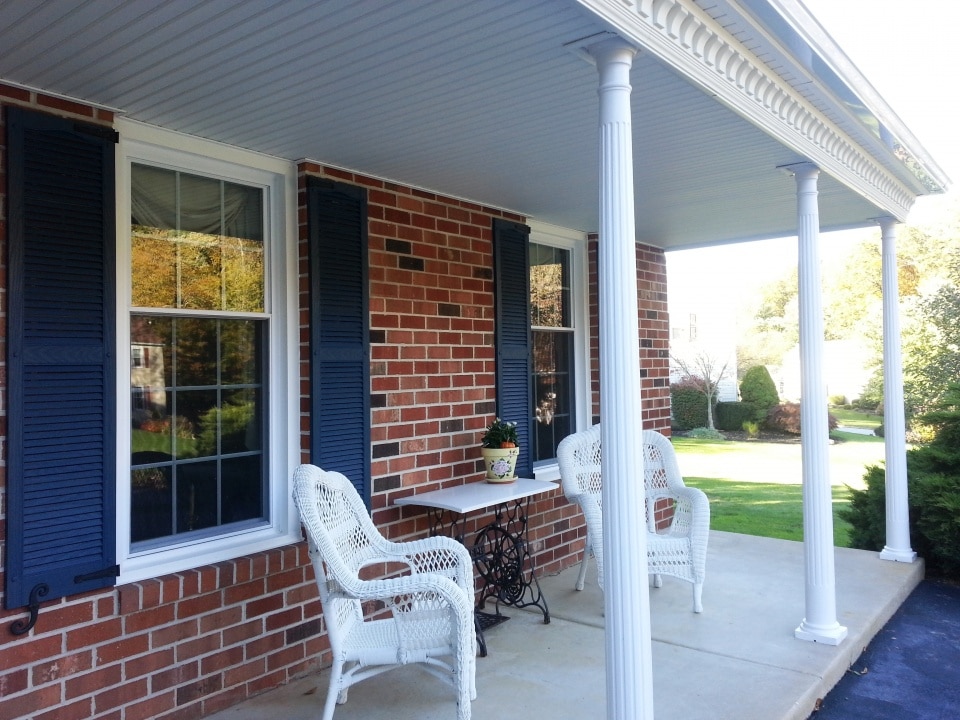
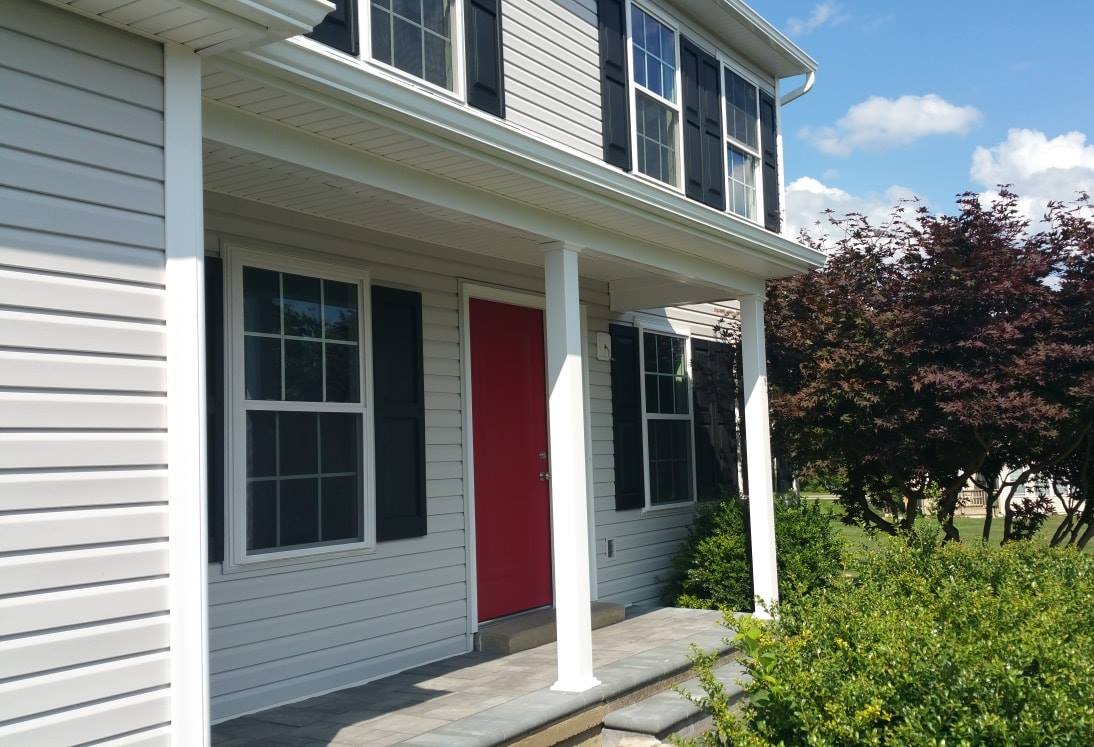
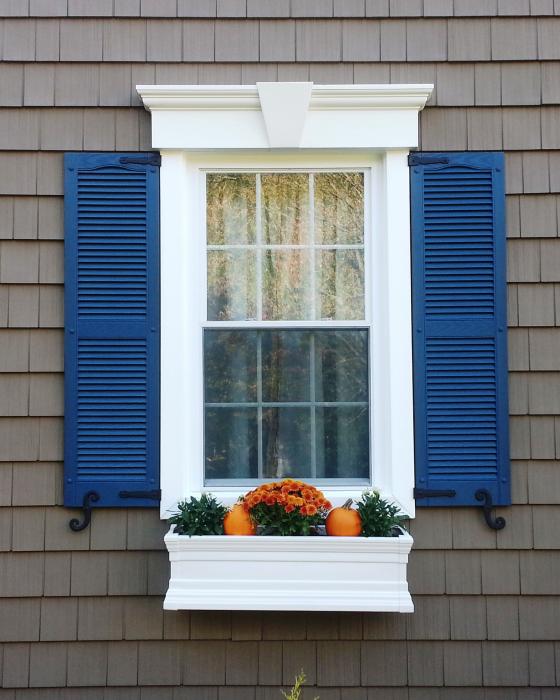
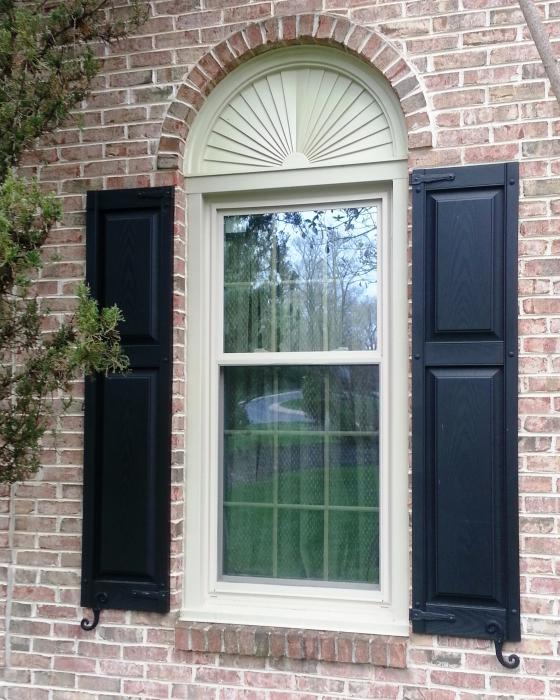
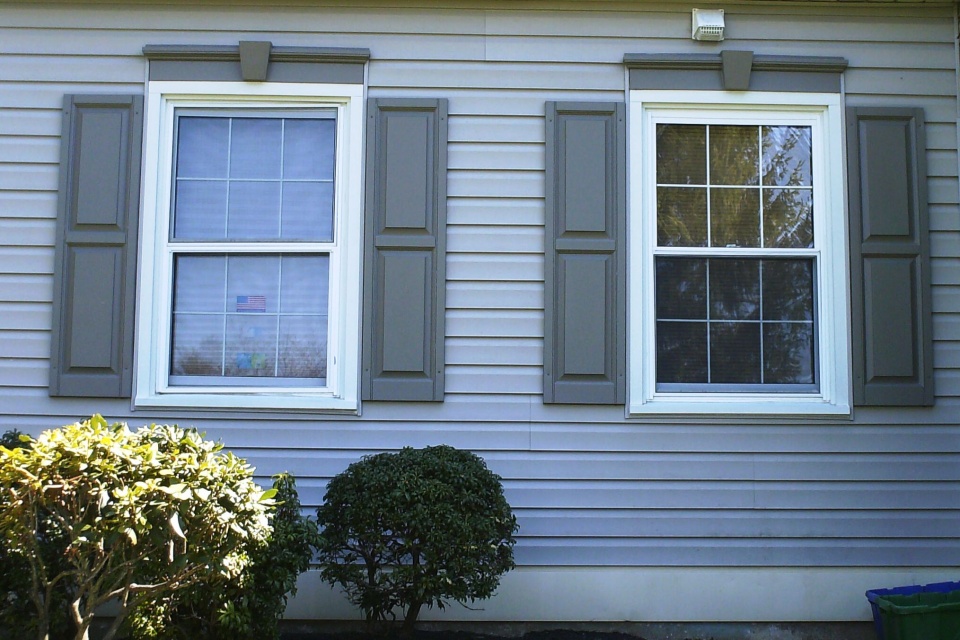
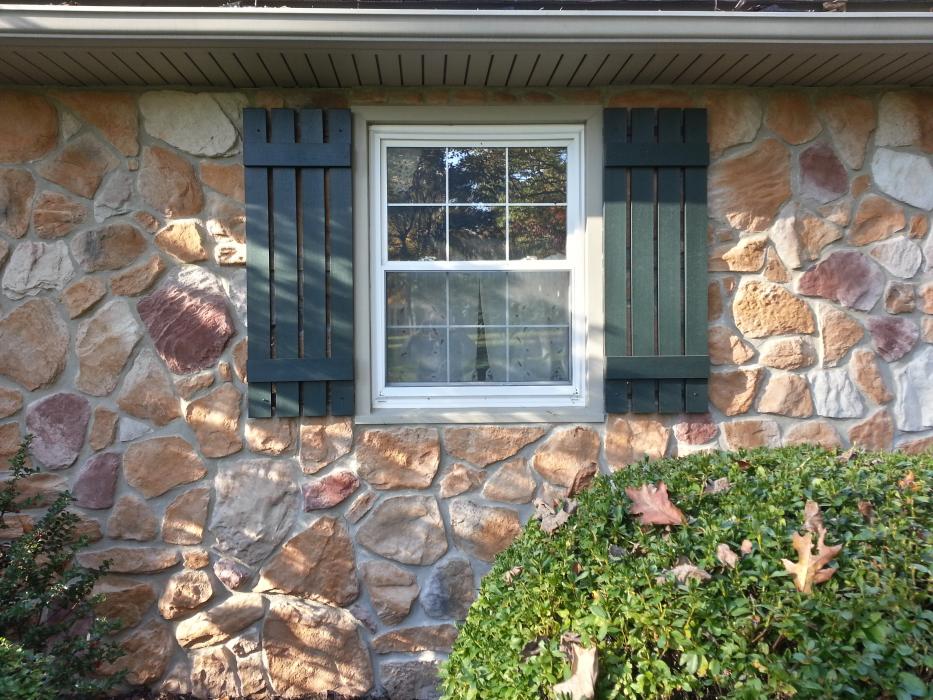
Double-hung windows are one of the most familiar and versatile replacement window styles. They feature two sashes, with both the upper and lower portions able to move vertically.
This design gives homeowners multiple ventilation options. Opening the lower sash allows fresh air to enter, while opening the upper sash can allow warm air to escape.
Many modern double-hung windows also tilt inward, making it easier to clean the exterior glass from inside the home.
Another advantage is their traditional appearance. Double-hung windows work well with a wide variety of architectural styles, from classic Colonial homes to more contemporary houses.
Best for: Almost any room where homeowners want traditional styling, flexible ventilation, and easy operation.
5. Facade Windows


Windows are an important part of a home’s facade, and the right configuration can dramatically influence the appearance of the entire exterior.
Rather than referring to one specific operating style, facade windows are best thought of as windows selected and arranged to complement the architectural design of the front or exterior elevation of a home.
For example, a homeowner might combine different window styles, sizes, shapes, or decorative elements to create symmetry across the front of a house. Replacing mismatched or outdated windows with a coordinated configuration can give an older exterior a much more cohesive appearance.
Facade window projects can be particularly important when other exterior improvements—such as new siding, roofing, doors, or trim—are being completed at the same time.
Best for: Homeowners who want to improve curb appeal and create a coordinated exterior design.
6. Multi-Unit Windows

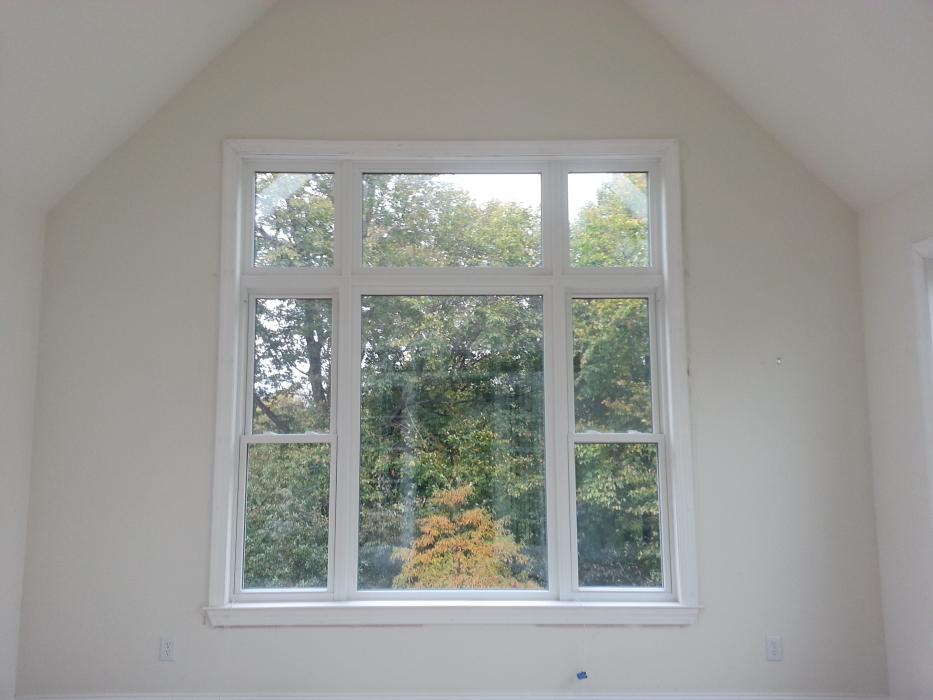


Sometimes a single replacement window isn’t enough to achieve the look or functionality a homeowner wants. Multi-unit window configurations allow multiple windows to be combined into a larger window grouping.
For example, several windows can be installed side by side to create a wider opening, or different window styles can be combined to provide both a large view and ventilation.
A multi-unit configuration might incorporate fixed picture windows alongside casement or double-hung windows. This gives homeowners the opportunity to customize the appearance and functionality of a larger opening rather than being limited to one standard window.
Multi-unit windows can also be useful when replacing an existing large window arrangement while maintaining the character of the home’s architecture.
Best for: Large openings, expansive views, custom designs, and homeowners who want to combine different window styles.
7. Picture Style Windows

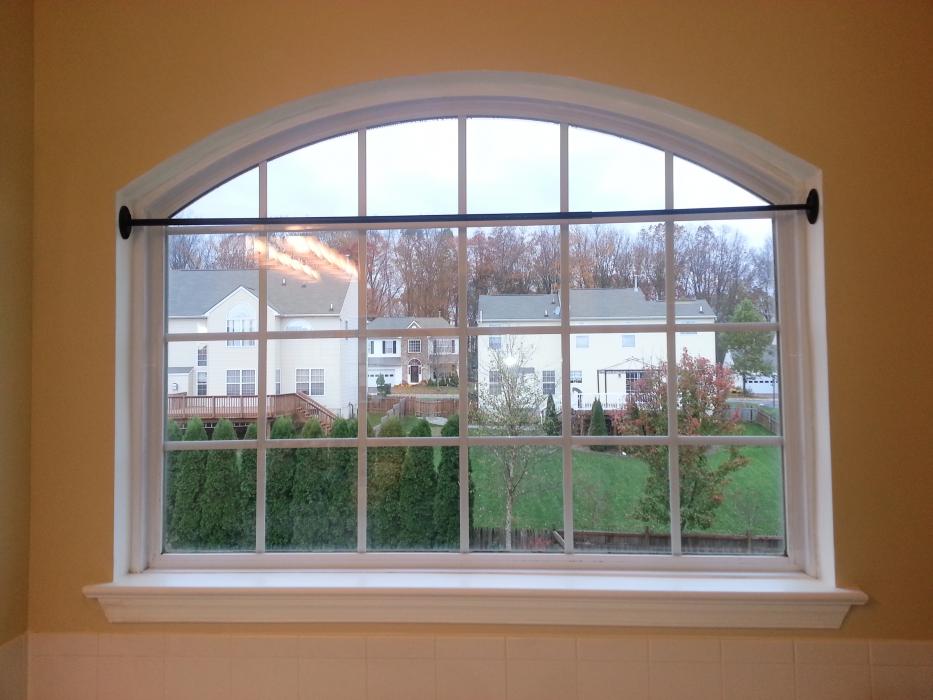


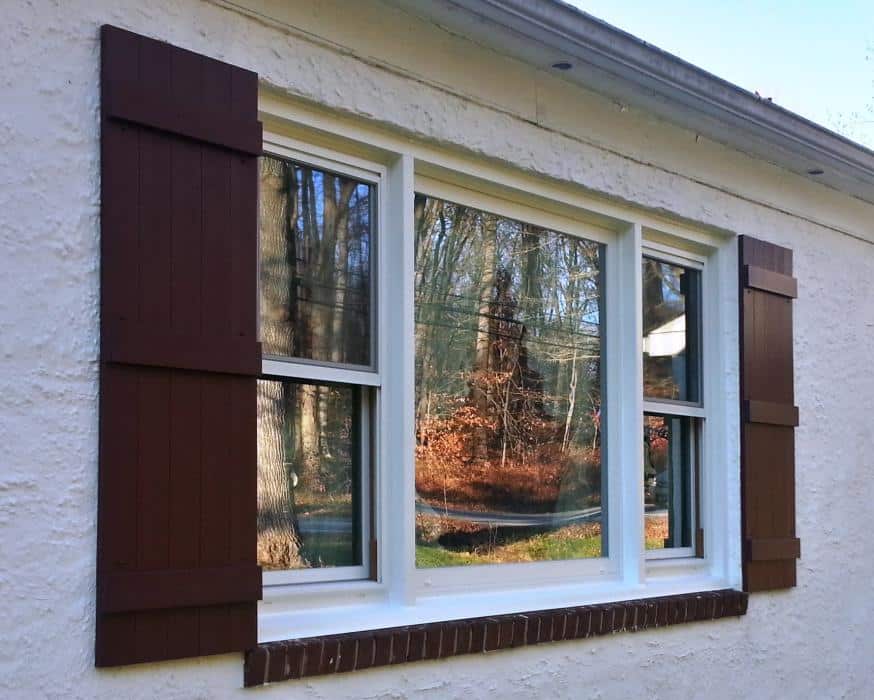

Picture windows are designed to provide a large, unobstructed view of the outdoors. They are typically fixed, meaning they do not open for ventilation.
Because there are no operating sashes interrupting the glass, picture windows can maximize natural light and create a strong visual connection between indoor and outdoor spaces.
They’re often used in living rooms, family rooms, dining rooms, and other spaces where the view is a major consideration. Picture windows can also be combined with operable windows to create a larger configuration that provides both expansive views and ventilation.
For example, a large picture window can be positioned in the center with casement or double-hung windows on either side.
Best for: Rooms where natural light and outdoor views are more important than ventilation.
8. Sliding Windows


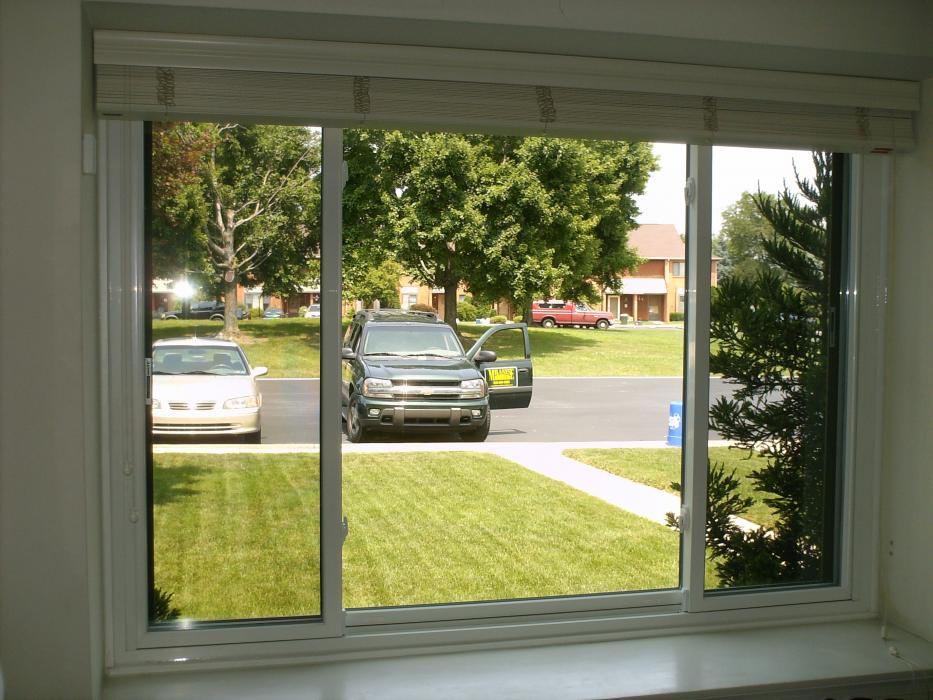
Sliding windows, sometimes called gliding windows, open horizontally rather than vertically. One or more sashes slide from side to side along a track.
Their horizontal operation makes them particularly useful for wider openings. They’re also straightforward to operate, making them a practical choice for many areas of the home.
Sliding windows provide ventilation while maintaining a relatively clean, simple appearance. Since they don’t project outward when opened, they can also work well in locations where an outward-opening window isn’t practical.
Best for: Wider openings, kitchens, bedrooms, and areas where easy horizontal operation is preferred.
9. Specialty Shape Windows


Not every window opening is a perfect rectangle. Specialty shape windows give homeowners the flexibility to create custom designs for unusual openings or distinctive architectural features.
These windows can include a variety of shapes, such as arches, circles, triangles, trapezoids, and other custom configurations. They may be fixed or, depending on the design, combined with operable windows.
Specialty shapes can be particularly effective for adding architectural interest. They can accentuate a roofline, highlight a unique portion of a home’s exterior, or add character to spaces that would otherwise have a standard rectangular window.
Because these windows are often customized for a particular opening, they’re a good option when standard replacement windows don’t provide the look you’re trying to achieve.
Best for: Unique architectural features, unusual openings, accent windows, and homeowners looking for a highly customized design.
How Do You Choose the Right Replacement Window?
With so many styles available, the best replacement window isn’t necessarily the most popular—it’s the one that fits your home’s needs.
Consider these factors when comparing your options:
Think About Ventilation
If fresh air is important, consider an operable window style such as casement, double-hung, or sliding windows. Picture windows, on the other hand, are fixed and are better suited for maximizing views and natural light.
Consider Your Home’s Architecture
Your home’s style should also factor into your window selection. Traditional homes may look best with classic double-hung windows, while specialty shapes, bay windows, or bow windows can complement homes with distinctive architectural features.
Look at the View
If your home has a particularly attractive backyard, garden, wooded area, or landscape, a picture window or large multi-unit configuration can help make the most of it.
Think About Curb Appeal
Windows make up a significant portion of your home’s exterior. Replacing old or mismatched windows with a coordinated design can improve the appearance of the entire facade.
Don’t Forget Energy Efficiency
Window style is only one part of the equation. The glass, frame, insulation, and quality of installation all contribute to how well your replacement windows perform. Milanese Remodeling offers windows from several manufacturers and emphasizes energy efficiency, insulation, and protection against air infiltration and water penetration.
Which Replacement Windows Are Right for Your Home?
Whether you’re replacing one drafty window or updating every window in your home, understanding the different styles can make the decision much easier.
From versatile double-hung and sliding windows to casement windows, picture windows, bay and bow windows, dormers, multi-unit configurations, and specialty shapes, there are options to fit virtually any architectural style and functional need.
Milanese Remodeling has been replacing windows for Chester County homeowners since 1957 and has replaced more than 100,000 windows over the years.
If you’re considering replacement windows for your home, start by evaluating your existing windows, your home’s architecture, and what you want to accomplish with the project. Contact Milanese Remodeling to discuss your replacement window options and schedule a free consultation.