
The honest answer is: it can absolutely add value as long as it’s designed and built the right way. Outdoor living has become one of the biggest drivers of buyer interest over the last few years, and that trend hasn’t slowed down going into 2026. Buyers aren’t just looking at square footage anymore. They’re looking at how a home lives, both inside and out.
How Much Value Does a Pergola Add?
A pergola won’t usually add value the same way a kitchen remodel does on paper, but it plays a different role. Outdoor additions like a pergola increase appeal, usability, and perceived value, which directly impacts how a home sells.
Most recent data and market trends show:
- Pergolas typically see a 50-80% return on investment
- Outdoor living features can increase home value by 8-12%
- Homes with well-designed outdoor spaces often sell faster and attract stronger offers
What that really means in practical terms is this: a pergola helps your home stand out in a crowded market, and that can translate into real dollars.
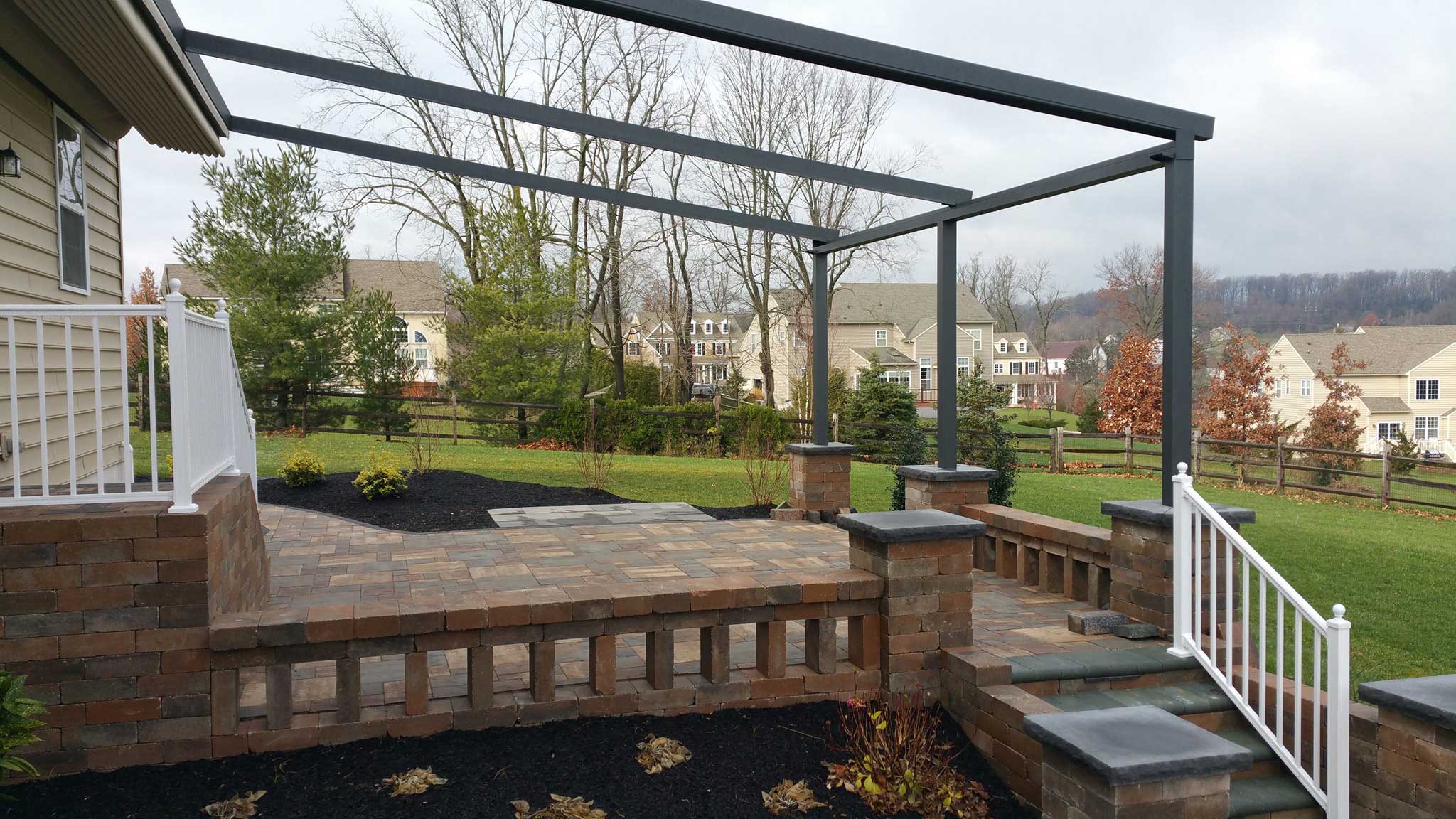
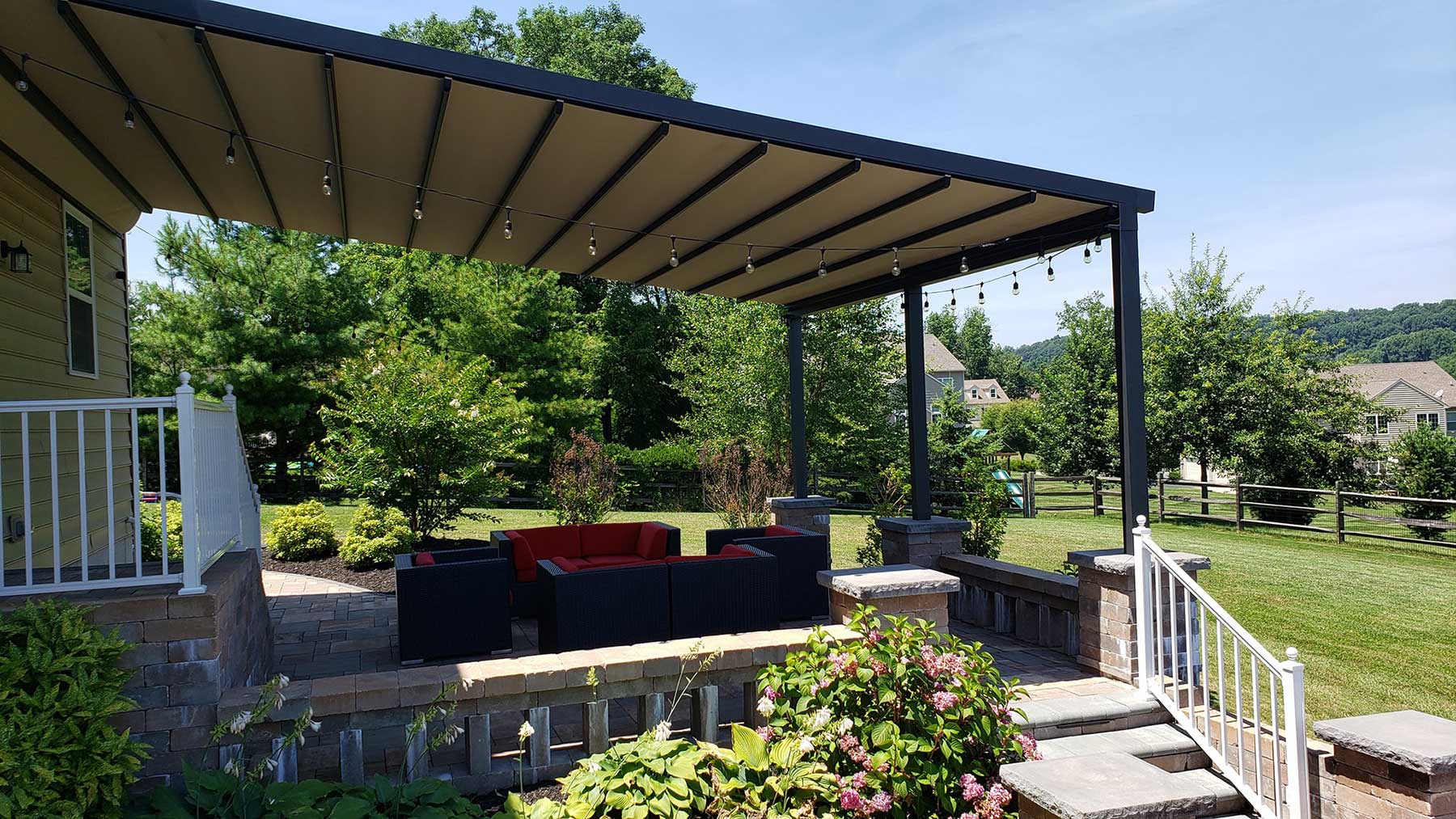
Why Pergolas Add Value
A pergola works because it changes how people experience your home, and not just how it looks.
Instead of a backyard that feels unfinished or underused, it creates a defined space that buyers can immediately understand. When someone walks into a yard with a pergola, they don’t have to imagine what it could be; they can see themselves using it.
That shift matters more than most homeowners realize.
It also naturally extends your living space. Even though it’s not counted in square footage, it functions like an outdoor room; a place to gather, relax, or entertain. And in today’s market, that kind of usable space is highly desirable.
Curb Appeal and First Impressions
Pergolas also play a big role in first impressions. Most buyers are forming opinions before they ever set foot on the property, especially with how heavily listings rely on photos. A well-designed pergola adds structure and visual interest to the yard, which helps your home stand out online and in person.
The Outdoor Living Shift (Why This Matters More Now)
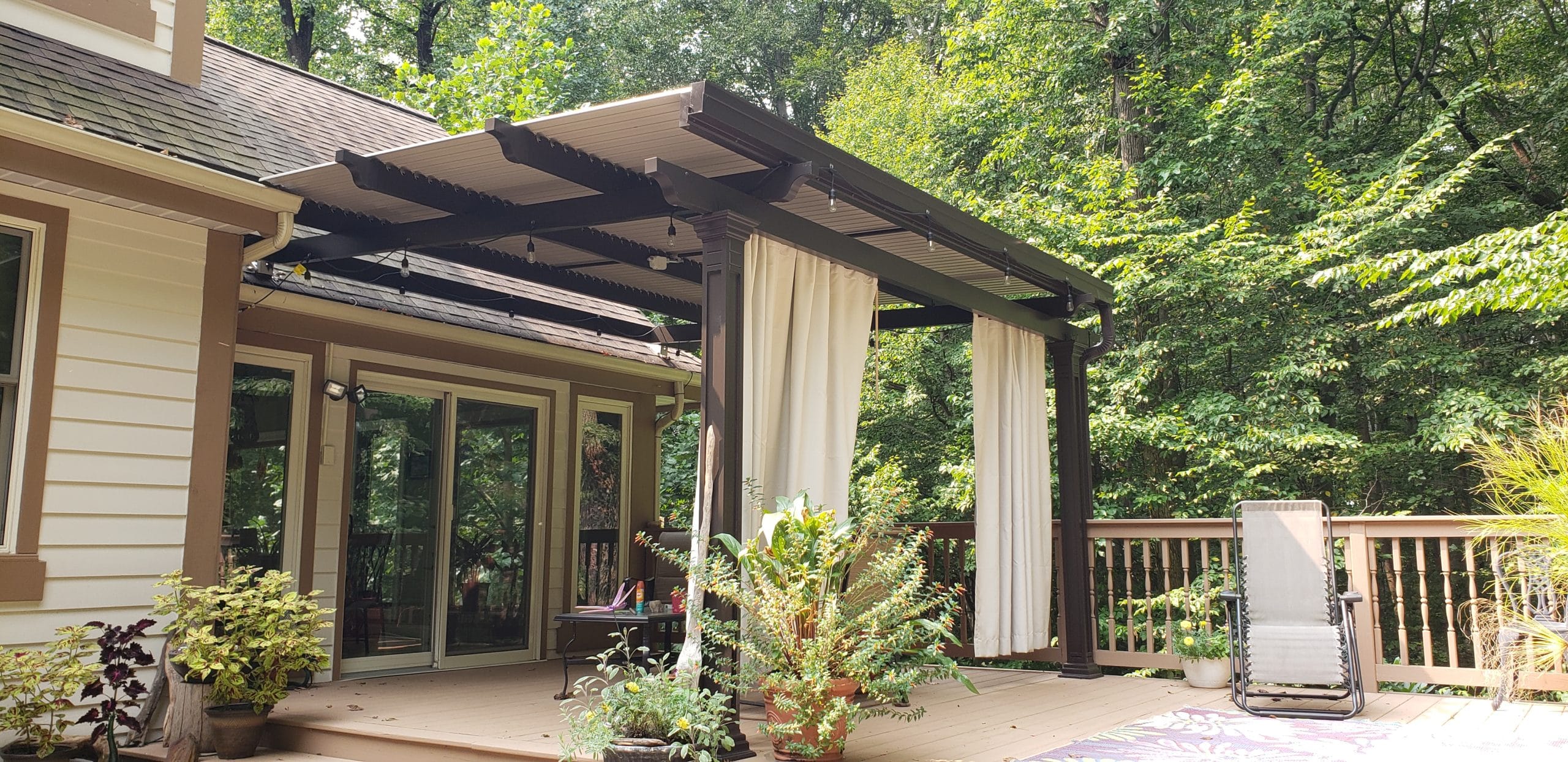
Homes that already have these elements in place often feel more move-in ready, which reduces friction during the buying process. And when buyers feel like they don’t have to add anything, they’re more willing to pay a premium.
What Actually Determines the Value
Not every pergola adds the same level of value. In fact, the difference between a high-impact pergola and one that barely moves the needle usually comes down to execution.
- Materials matter more than people expect. A well-built pergola using higher-end materials like aluminum or a properly finished wood structure tends to hold value better than a basic kit.
- Design is just as important. If it looks like an afterthought, buyers will treat it like one. The pergola should feel like it belongs with the home, tied into the architecture, the patio, and the overall layout.
- Function also plays a role. A pergola that provides real shade, integrates lighting, or creates a comfortable seating area will always outperform one that’s purely decorative.
- Placement matters. When it’s built over an existing patio or deck, it naturally becomes part of the living space. When it’s placed randomly in the yard, it loses a lot of that impact.
How Pergolas Compare to Other Outdoor Projects
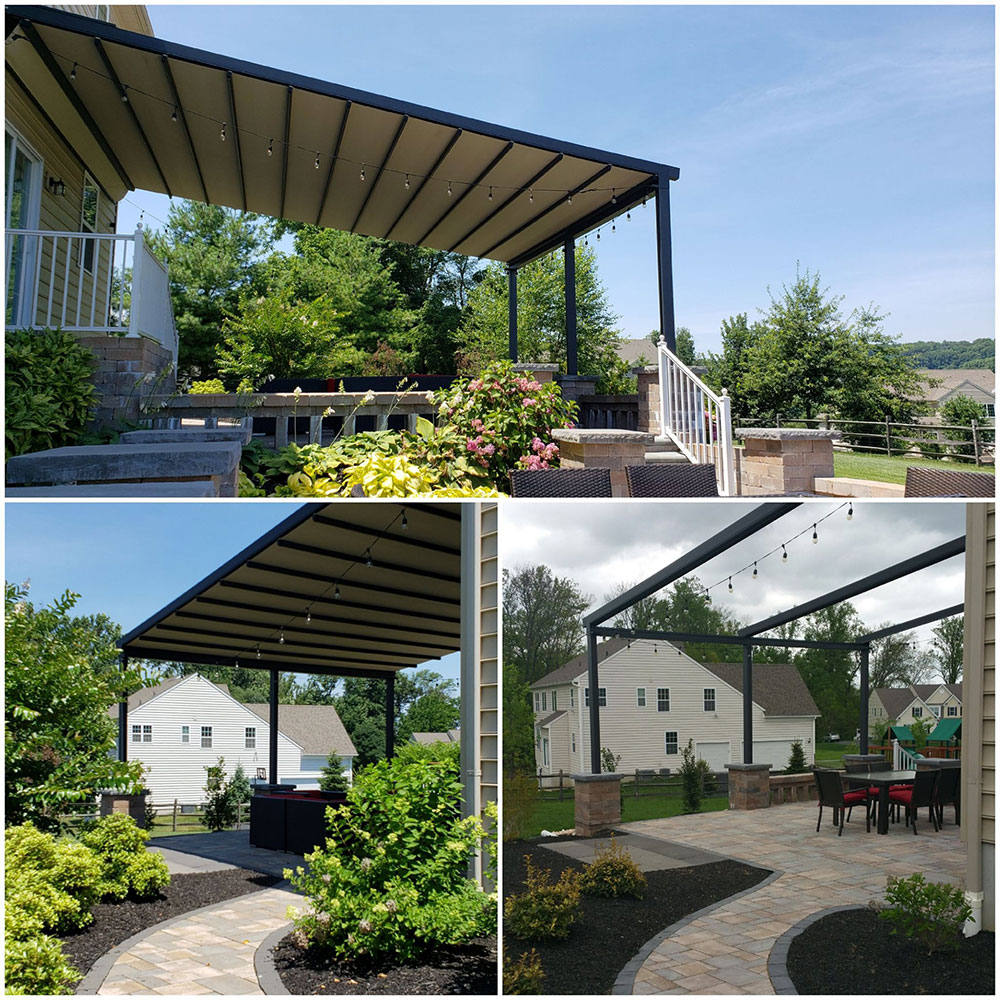
Instead of just improving the yard, they shape how it’s used. That’s why they tend to have an outsized effect on buyer perception, even if their raw ROI isn’t always the highest. In many cases, they’re the feature that makes the rest of the outdoor space feel complete.
When a Pergola Is Worth It
If you already have a patio or are planning to create one, adding a pergola can elevate the entire space. It also makes more sense when you plan to stay in the home for a few years, so you get to enjoy it as well.
Where homeowners run into trouble is treating it like a quick add-on. Lower-quality builds, poor placement, or designs that don’t match the home tend to deliver minimal return and sometimes can even detract from the overall look.
A Pergola is a Good Investment
A well-designed pergola can:
- Increase perceived value
- Help your home sell faster
- Make your property stand out to buyers
But the real value comes from what it creates: a space that feels usable, finished, and inviting. And in today’s market, that’s exactly what buyers are looking for.
If you’re considering adding a pergola, it’s worth taking the time to plan it the right way from the start. Or, make it even simpler, and contact our team at Milanese Remodeling. We can help you with everything from design, placement, to professional installation.
Frequently Asked Questions About Pergolas & Home Value
Do pergolas really add value to a home?
Yes, as long as they’re designed and built well. A pergola increases usable outdoor space, improves curb appeal, and makes your home more appealing to buyers. While it may not always show up as a separate line item on an appraisal, it often contributes to higher perceived value and stronger offers.
What is the average ROI on a pergola?
Most pergolas fall in the range of about 50–80% return on investment, depending on materials, design, and how well they’re integrated into the space. The biggest returns typically come when the pergola is part of a complete outdoor living area rather than a standalone feature.
Do pergolas help a home sell faster?
They can. Homes with well-designed outdoor living spaces tend to photograph better, stand out in listings, and create stronger first impressions during showings. That combination often leads to faster sales and more buyer interest.
Are pergolas considered permanent structures?
It depends on how they’re built. Professionally installed pergolas that are anchored and integrated with a patio or deck are typically considered permanent features. Prefab or temporary structures don’t carry the same weight in terms of value.
What type of pergola adds the most value?
Pergolas that are:
- Built with durable, low-maintenance materials
- Designed to match the home
- Integrated into an existing patio or outdoor layout
…tend to add the most value. Features like lighting, shade systems, or partial coverage can also increase usability, which buyers notice.
Is a pergola better than a covered patio?
Not necessarily. They serve slightly different purposes. Covered patios usually offer more protection from the weather, while pergolas provide a balance of shade and openness. In many cases, the best setup combines both function and design depending on the space.
Should I build a pergola before selling my home?
It can make sense, but only if it’s done well and fits into the overall outdoor space. A rushed or low-quality install right before listing usually won’t deliver the same return. If you’re close to selling, smaller improvements to the existing space may be more cost-effective.
Do pergolas require a lot of maintenance?
That depends on the material. Wood pergolas require regular sealing or staining, while aluminum and composite options are much lower maintenance. Buyers tend to favor features that look good without adding extra upkeep.